
Breaking the cold chain
Scientists are developing vaccine technology that could transform global health, and it all began with donor support.
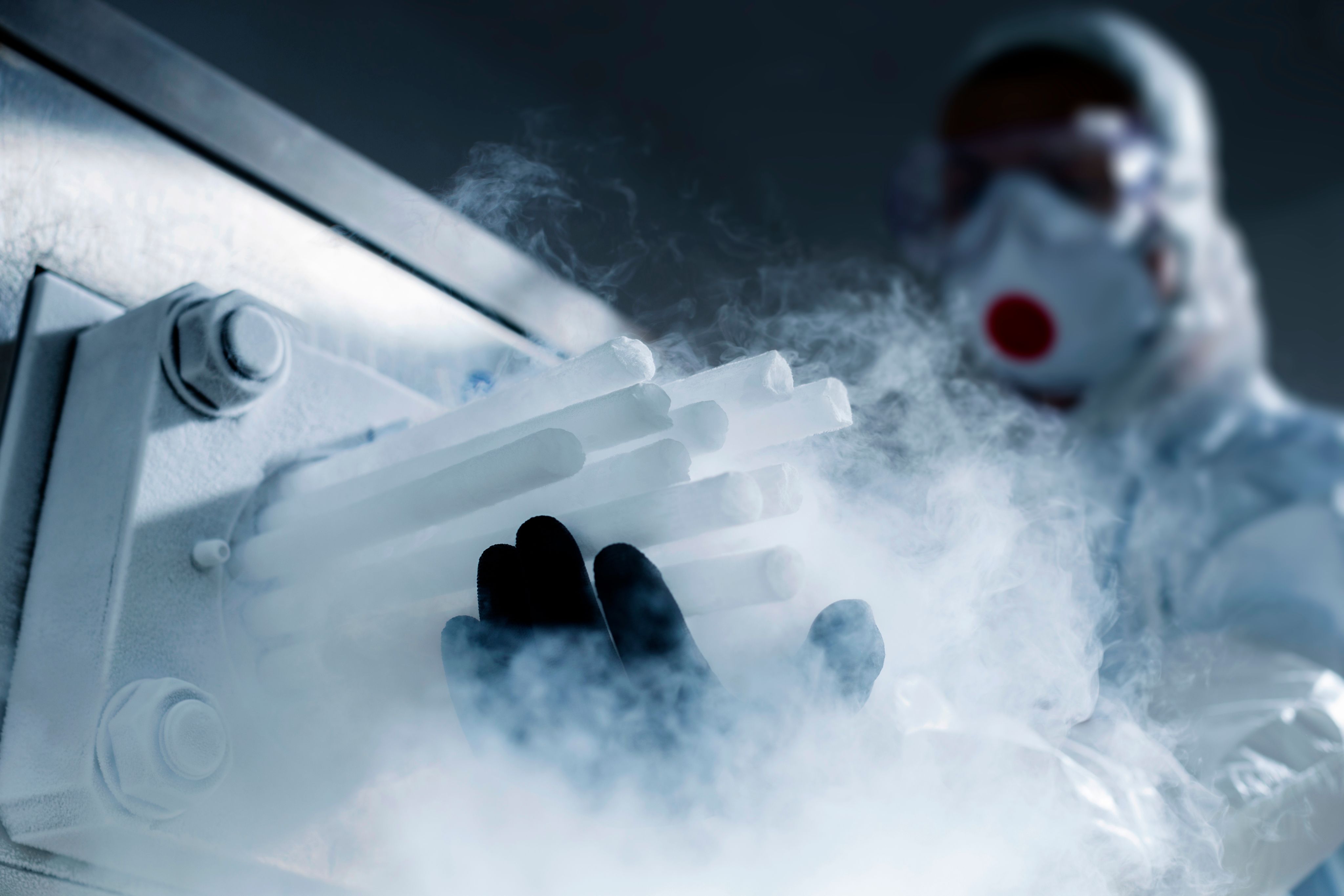

When Dr Asel Sartbaeva took her newborn daughter for a routine vaccination, she noticed the vial being pulled from a fridge moments before the injection. That sparked a question that would shape the next decade of her research: why do vaccines need to be kept cold? And could that ever change?
Today, the answer is yes. Asel’s award-winning, patented technology, named Ensilication™, wraps vaccines in a protective shell made from silica – essentially ordinary sand. The result is vaccines that remain stable at high temperatures with no refrigeration needed.
“Up to half of all vaccines end up being thrown away, and this is largely because of the length and intricacy of many journeys – it’s a terrible waste,” Asel explains. “Ensilication technology will help manufacturers to produce temperature-stable vaccines and antibodies. Not only is it indifferent to heat and humidity, but it also has a long shelf life, making vaccination campaigns and treatments easier.”
"UP TO HALF OF ALL VACCINES END UP BEING THROWN AWAY."
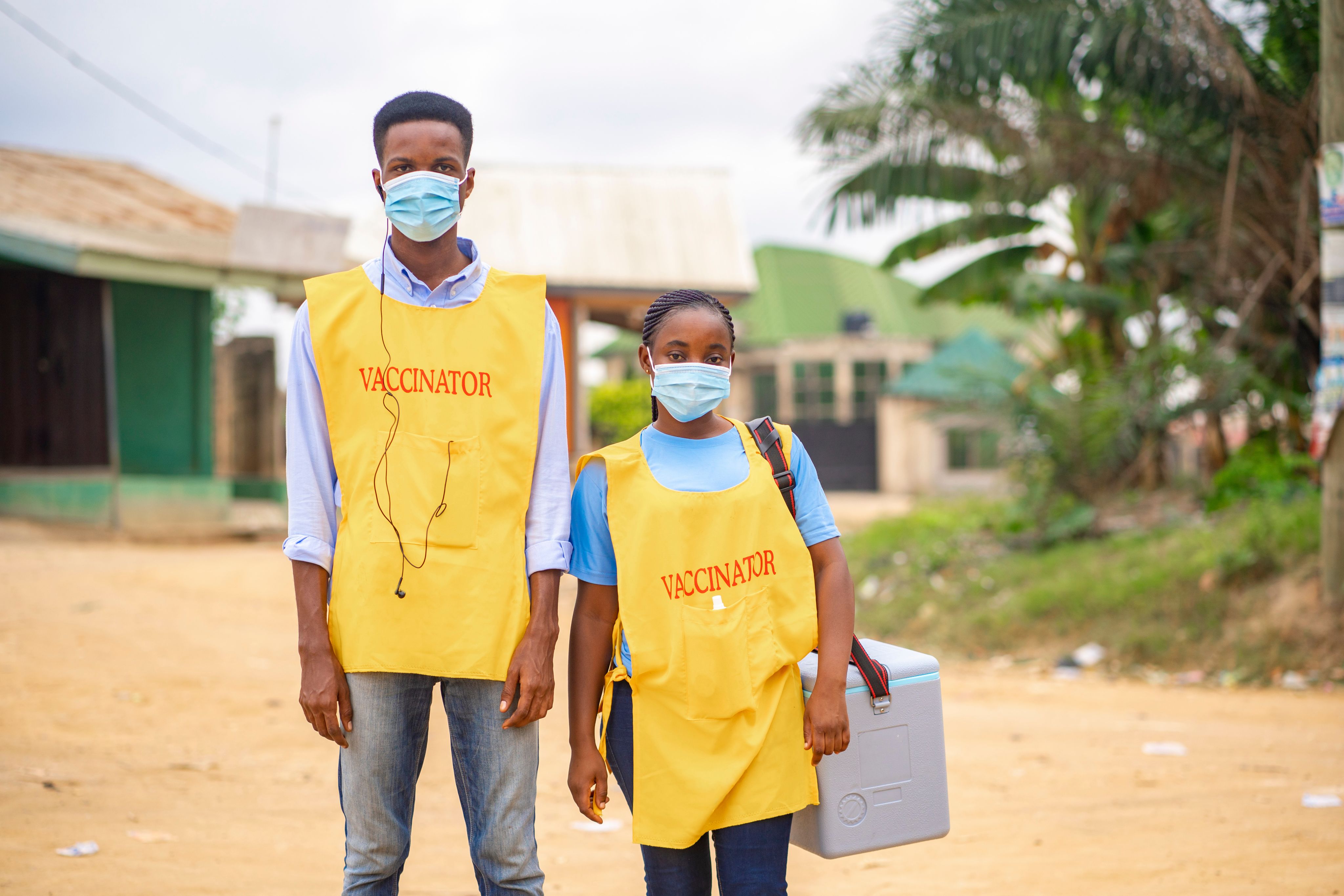
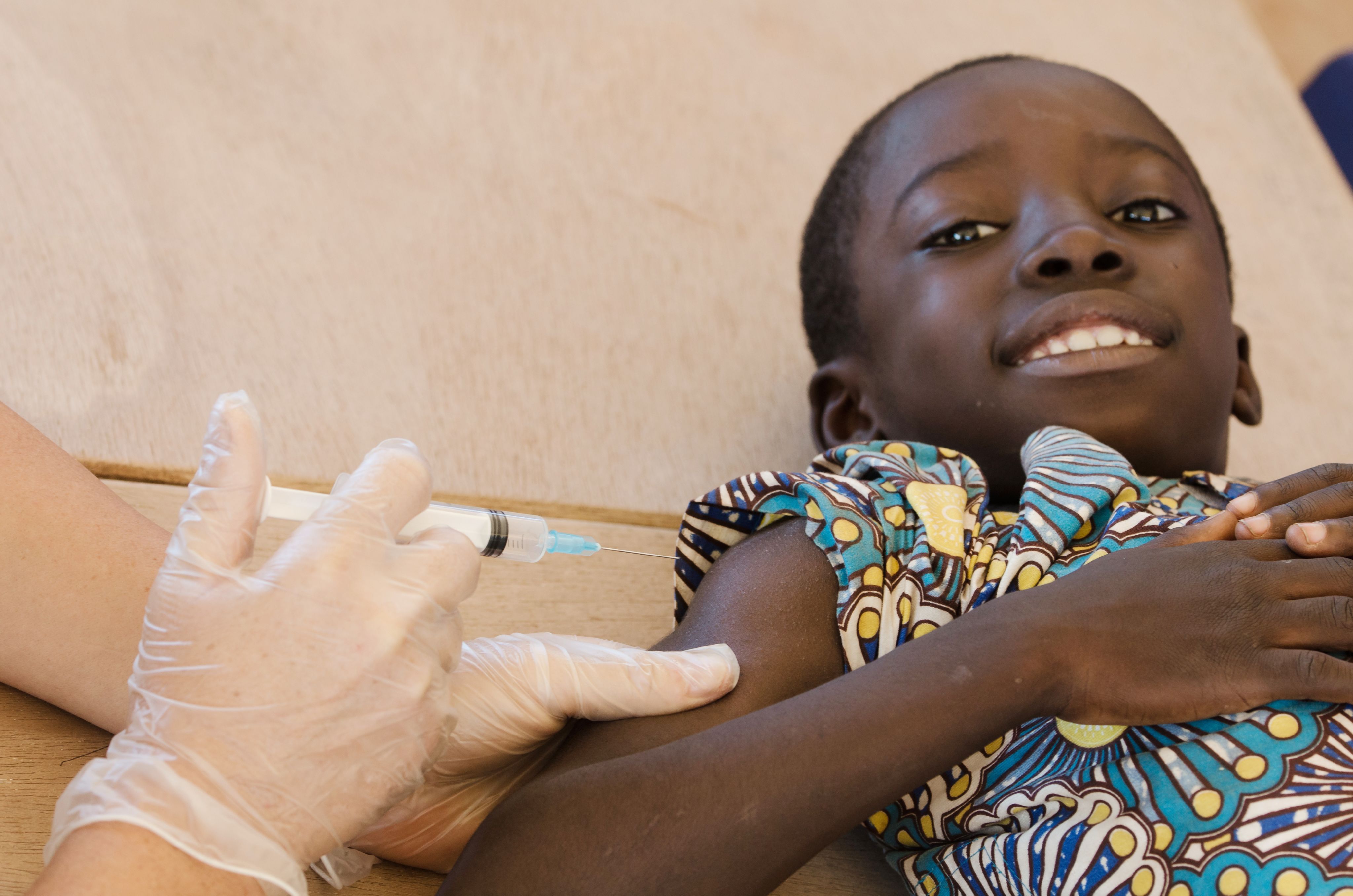
The stakes are high. According to the World Health Organization, immunisation prevents 4–5 million deaths annually. But an additional 1.5 million lives – mostly infants under five in low-income countries – could be saved if vaccines reached remote areas without relying on refrigeration.
“Using Ensilication to reduce child mortality and improve global health and wellbeing would be a dream come true for the entire team. Immunisation is a basic human right, and finding ways to deliver vaccines to all corners of the world should be a global priority.”
The research began here in Bath, made possible by early support from The Annett Trust and alumni Tim Ford, Roger Whorrod OBE and his wife, Sue. Their generosity funded PhD and postdoctoral positions that helped drive Asel’s work forward.
“I was immediately struck by the innovation and potential impact of Asel’s Ensilication process and was delighted to become a donor for the early stage of the journey for this life-enhancing technology,” says Tim. “I am so pleased and impressed with the progress.

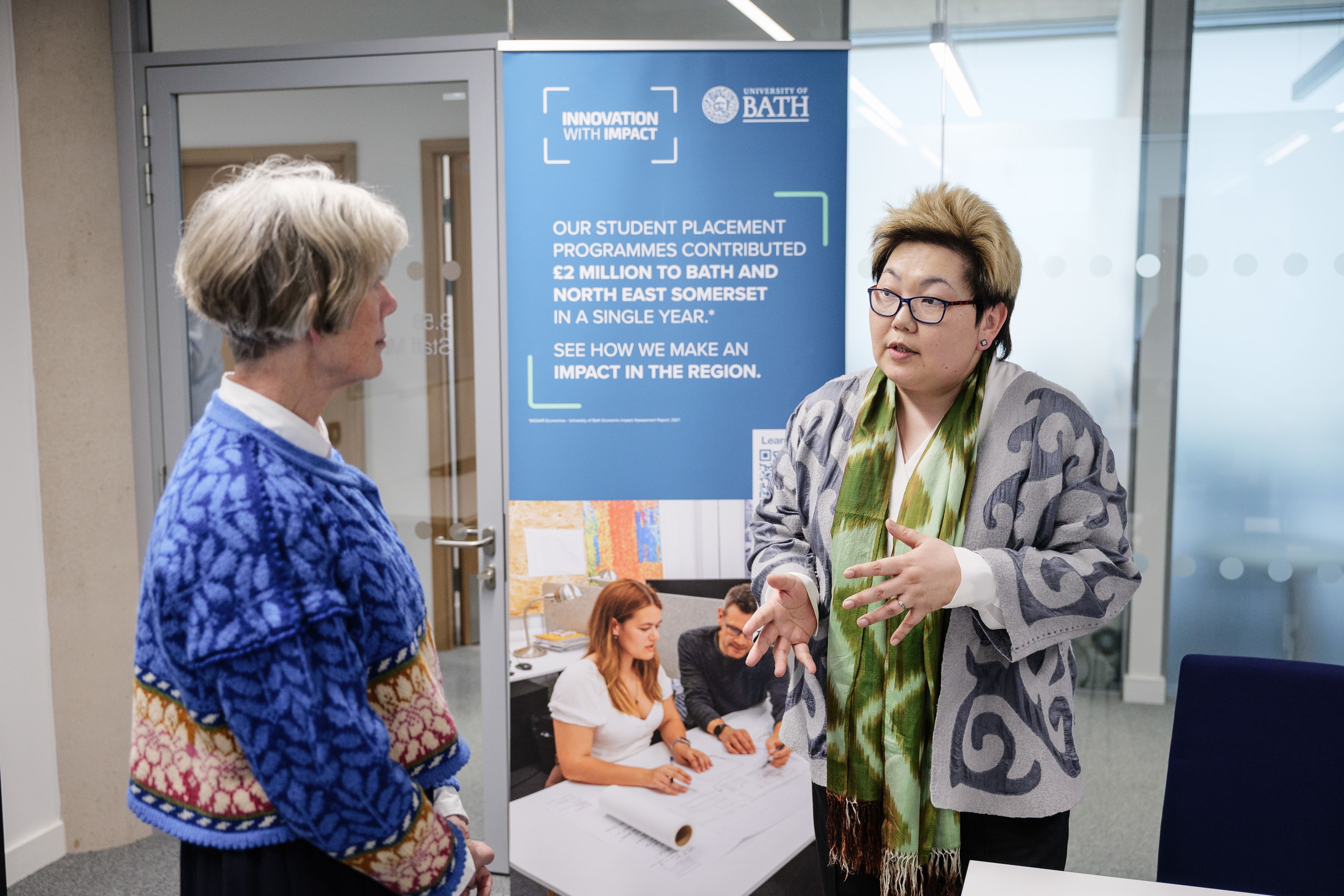
In 2024/25 alone, EnsiliTech – the spinout company founded to commercialise this work – secured £1.4 million from Innovate UK to adapt the technology for life-saving antibody treatments, and a £1.7 million government contract to develop the world’s first thermally stable mRNA vaccine.
“It comes after about 11 years of research. As transport and storage of Covid-19 mRNA vaccines have been shown to cost more than the cost of many actual vaccines, removing the fridge and freezer dependence will be game-changing for global distribution, and can help save millions of people.”
As EnsiliTech prepares for clinical trials and wider rollouts, it’s a powerful reminder of what can happen when curiosity meets commitment, and when donors choose to back bold ideas. Reflecting on the journey, Asel says: “I can honestly say that Ensilication would have remained a curious ‘what if?’ had it not been for the incredible atmosphere of collaborations at Bath, along with the money to fund the research, and the excellent PhD students who helped make it real.”


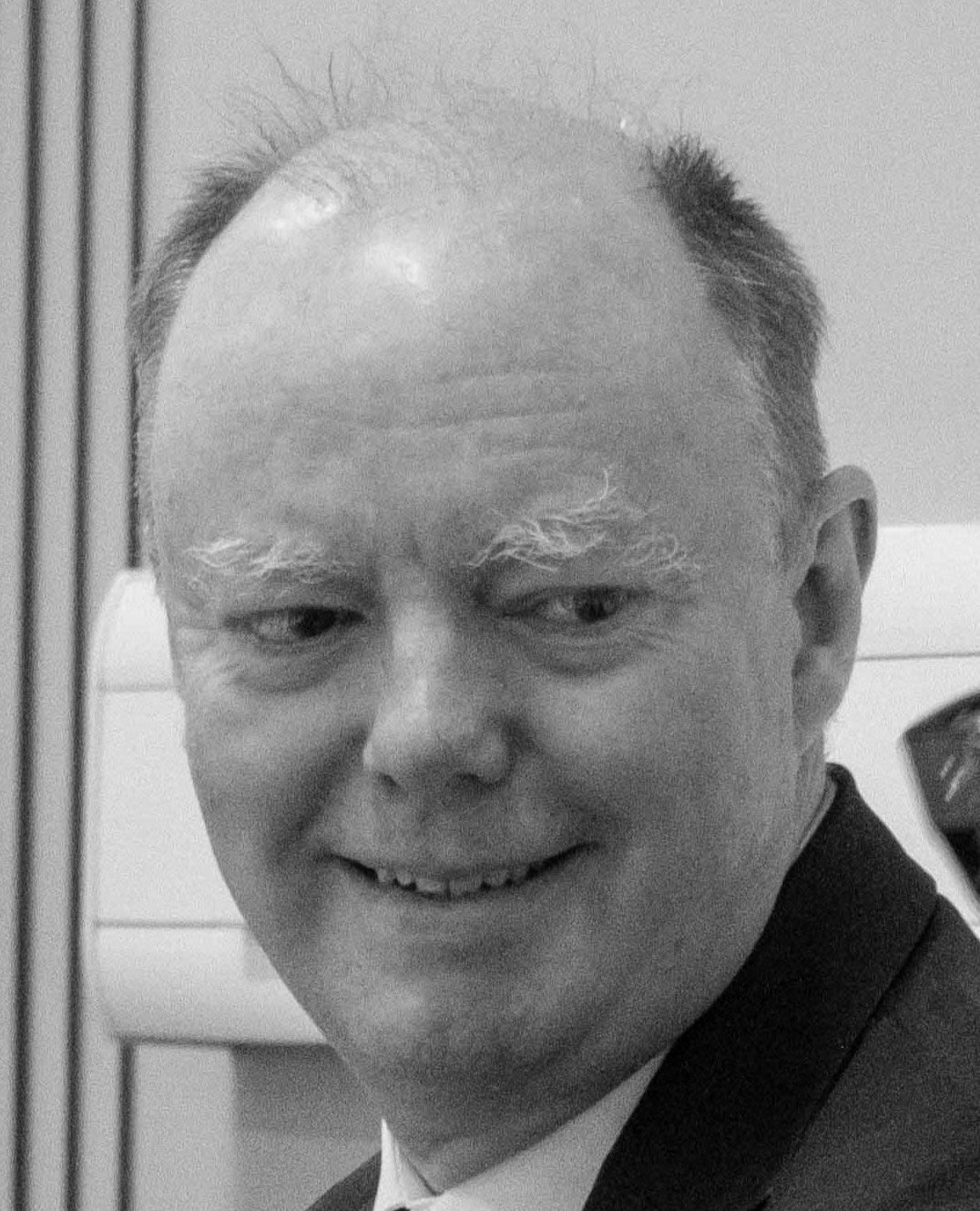
Professor Chris Whitty, Chief Medical Officer for England
“The depth and breadth of the research I saw in Bath was remarkable, and much of it is directly relevant to preventing and treating disease and disability. The University of Bath brings together many areas of science, such as engineering and sports science, together with health sciences, to address major health issues.”

 Built with Shorthand