
How Chemical and Mechanical Engineering at Bath are bringing about the hydrogen revolution
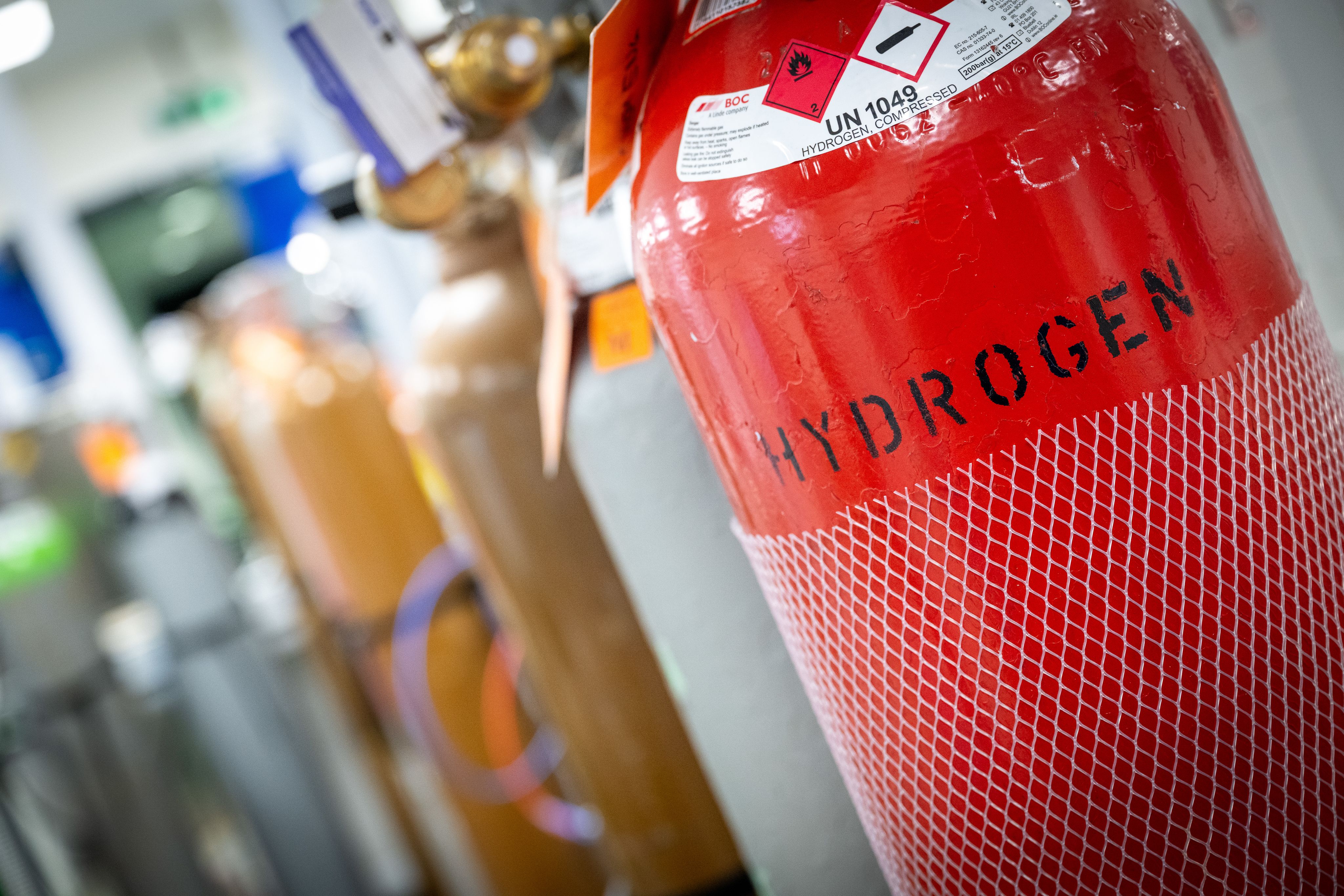



Supporting the UK’s Hydrogen Strategy: Bath’s Chemical Engineers at the Forefront of Government-Led Innovation for a Net Zero Future
At the University of Bath, chemical engineering is at the heart of a transformative shift towards a cleaner, more sustainable future: leading the UK’s hydrogen revolution. As the country intensifies efforts to meet its legally binding Net Zero target by 2050, hydrogen has emerged as a critical solution for decarbonising sectors that are difficult to electrify. Bath’s researchers are playing a pivotal role in this transition, with cutting-edge expertise spanning renewable hydrogen production, solid-state storage, safety protocols, and transport applications.
From pioneering green hydrogen technologies to innovating scalable, safe storage methods, Bath’s chemical engineers are shaping the future of energy. Their work is not only advancing scientific understanding but also driving real-world impact, collaborating with industry to decarbonise aviation, marine, and heavy-duty transport systems. This dual-intensive approach, valuing both teaching and research, ensures students and academics alike are part of an inclusive, ambitious community tackling global challenges head-on.
Hydrogen’s potential to stimulate green economic growth, create up to 100,000 jobs by 2030, and enhance energy security makes it a key policy focus in the UK. Bath’s contributions are helping to reduce reliance on fossil fuels, power high-temperature industrial processes with low emissions, and store surplus renewable energy efficiently.

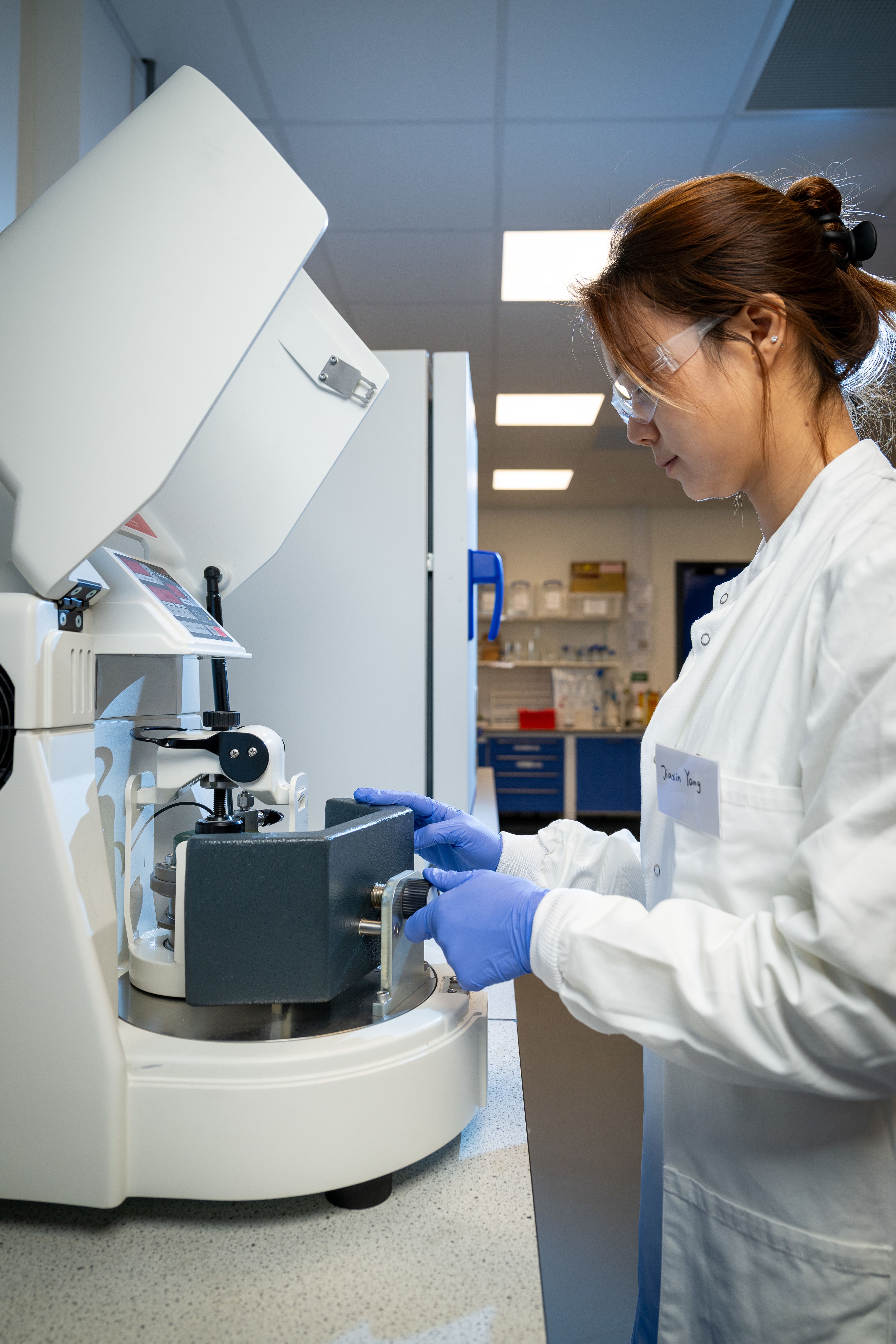

GW-Shift: Unlocking the region’s hydrogen fuel cell ecosystem
In 2023, the University of Bath was awarded £2.5 million in funding for the GW-SHIFT hydrogen supercluster project to help unlock the region’s hydrogen fuel ecosystem.
The project, ‘GW-SHIFT: Great Western Supercluster of Hydrogen Impact for Future Technologies’, was funded by the Engineering and Physical Sciences Research Council (EPSRC) as part of their Place Based Impact Acceleration Account Awards (PBIAA). Working alongside colleagues from fellow GW4 Alliance Universities of Exeter, Bristol, Cardiff, as well as others from Swansea, South Wales and Plymouth, the project will bring together academics, civic organisations, and industry partners to help reach the UK’s Net Zero carbon emissions targets.
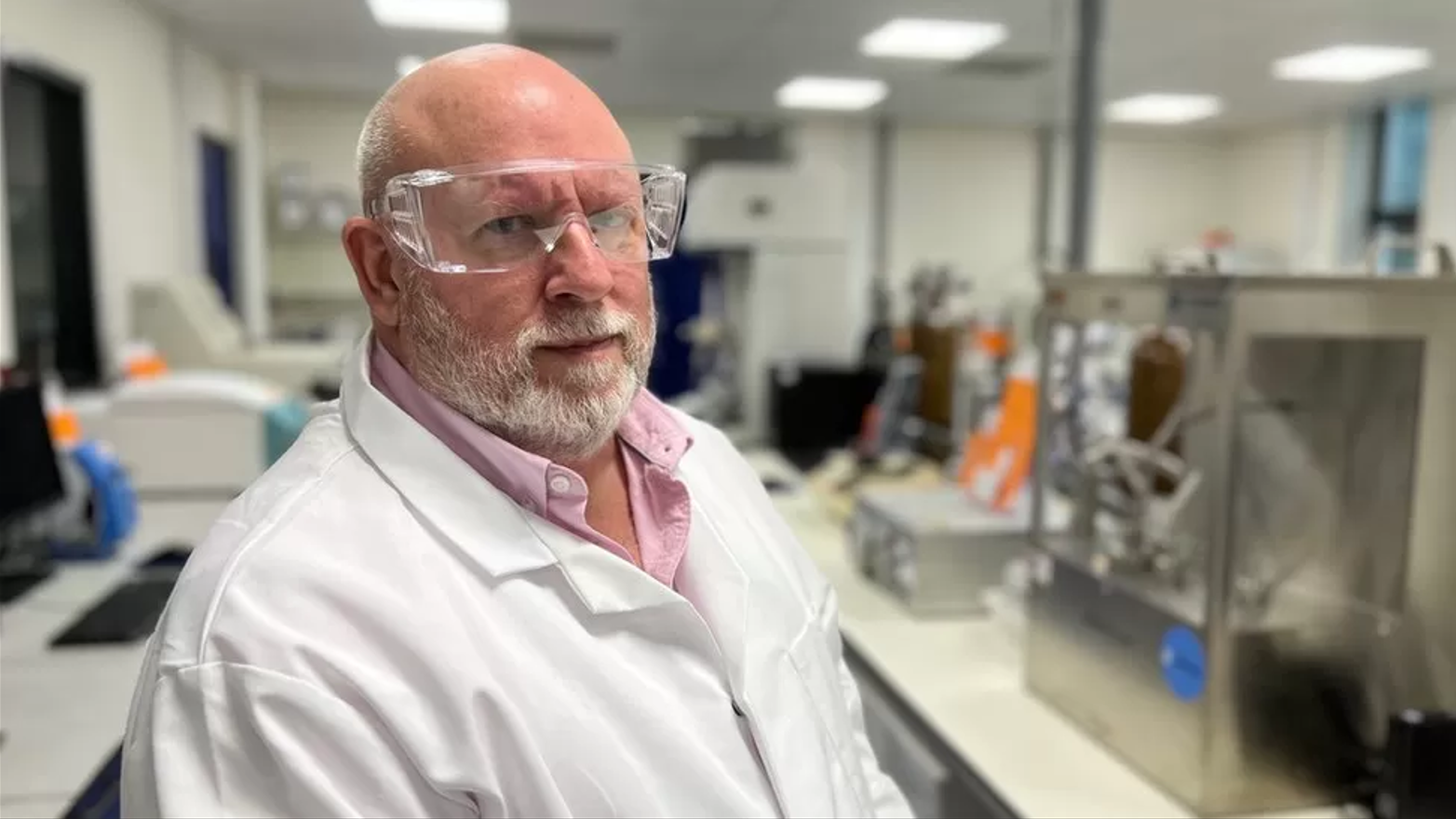
Professor Tim Mays, Emeritus Professor of Chemical and Materials Engineering, is founding Director and Principal Investigator of GW-SHIFT. Speaking on the Hydrogen 101 podcast to highlight opportunities and challenges in the alternative fuel market, Professor Mays said:
"Hydrogen can help us mitigate the challenges that we face from global mean temperatures that have increased over decades. Last year the average temperate was 1.5°C above preindustrial averages. Hydrogen combines with oxygen to produce a lot of energy and when oxidised there is no carbon dioxide. It is extremely low density; less than 10% the density of air. "
“The key is that one kilogram of hydrogen contains the same as energy as three kilograms of petrol, diesel, gasoline or natural gas. While it has low density it also has a very high energy per unit mass. This is the key for using hydrogen; you don’t need much of it to generate a lot of energy. However, it is currently expensive and there isn’t the infrastructure to reduce the cost.”
GW-SHIFT is working to help develop this infrastructure by supporting innovative research and activities to create a thriving low carbon hydrogen supercluster. This is focused on key themes such as production, storage and distribution, conversion and transport.
Working with existing and new partners, GW-SHIFT will co-create low carbon hydrogen solutions for aviation and shipping, heating buildings, and the power sector. The Western Gateway Hydrogen Delivery Pathway calculates that investing in hydrogen infrastructure within the area could create up to 40,000 new jobs and safeguard a further 60,000 existing jobs.
This place-based supercluster will accelerate the impact of research and innovation in sustainable hydrogen technologies in the South West of England and South Wales to secure the UK’s Net Zero carbon emissions target for 2050.
Learn more about Bath research in our monthly email


UK-HyRES: Leading future UK strategy on hydrogen and alternative liquid fuels
Research into how we make, store, distribute and use hydrogen and other alternative liquid fuels to power the energy, heating and mobility systems in our society is essential if the country is to achieve its national targets of reaching Net Zero by 2050. To meet this goal, Bath leads an £11 million hydrogen research hub funded by the UKRI focusing on hydrogen and alternative liquid fuels.
“At Bath, we have the expertise and ambition to deliver this important work, and this major funding from UKRI is crucial for us to develop the UK-HyRES hub into a research centre of national strategic importance and global impact."

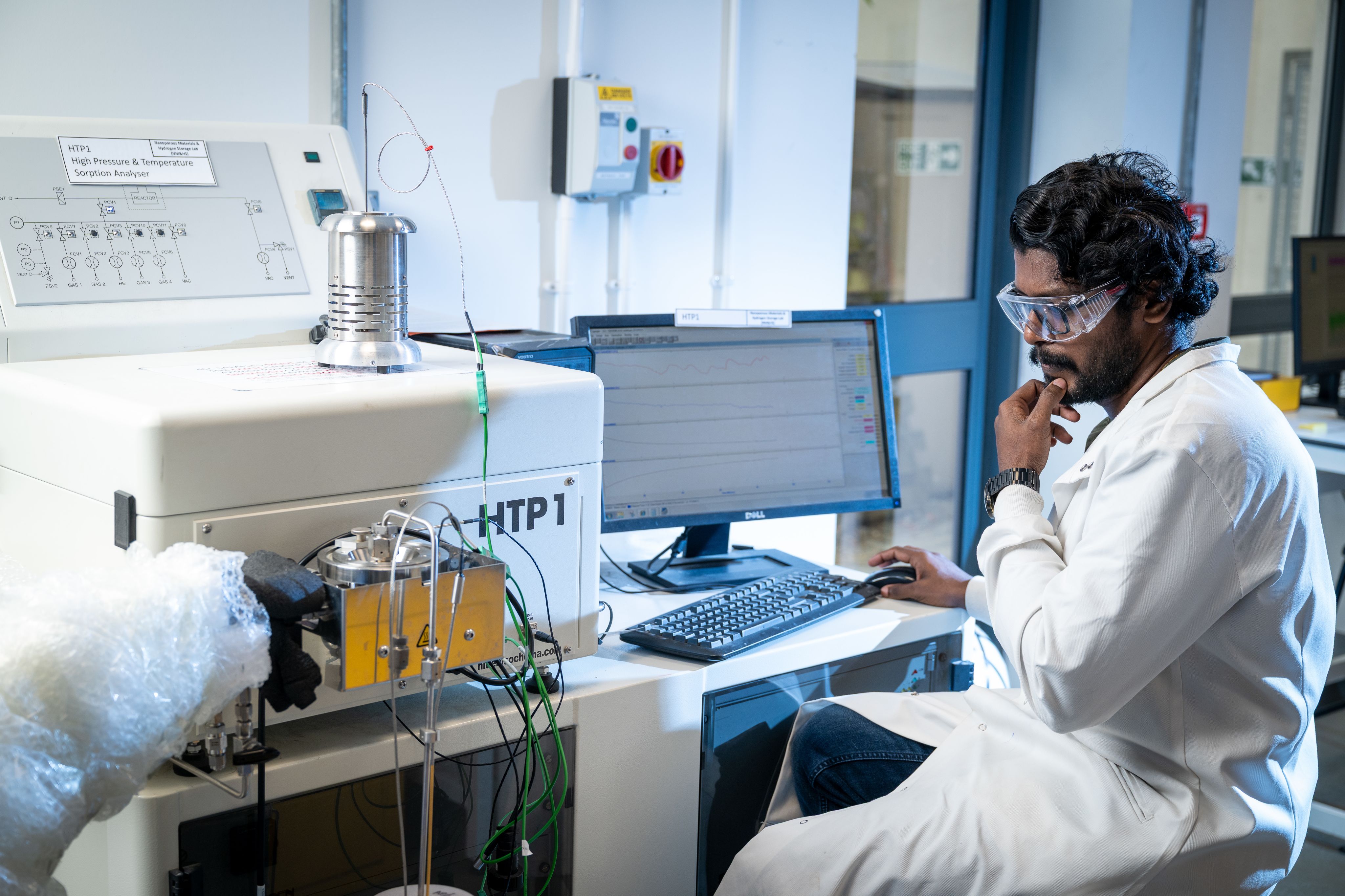
The installation of the UK-HyRES lab space, connected to an onsite green hydrogen electrolyser facility, was recently completed at IAAPS; the University of Bath’s £70 million world-leading centre of excellence to support the transport industry in the transition to Net Zero.
The electrolyser facility produces up to 10 kg of hydrogen per hour and feeds into four specialist test environments, designed for hydrogen combustion and fuel cell research. Each research space is equipped with advanced hydrogen detection and ventilation systems to ensure maximum safety and flexibility.

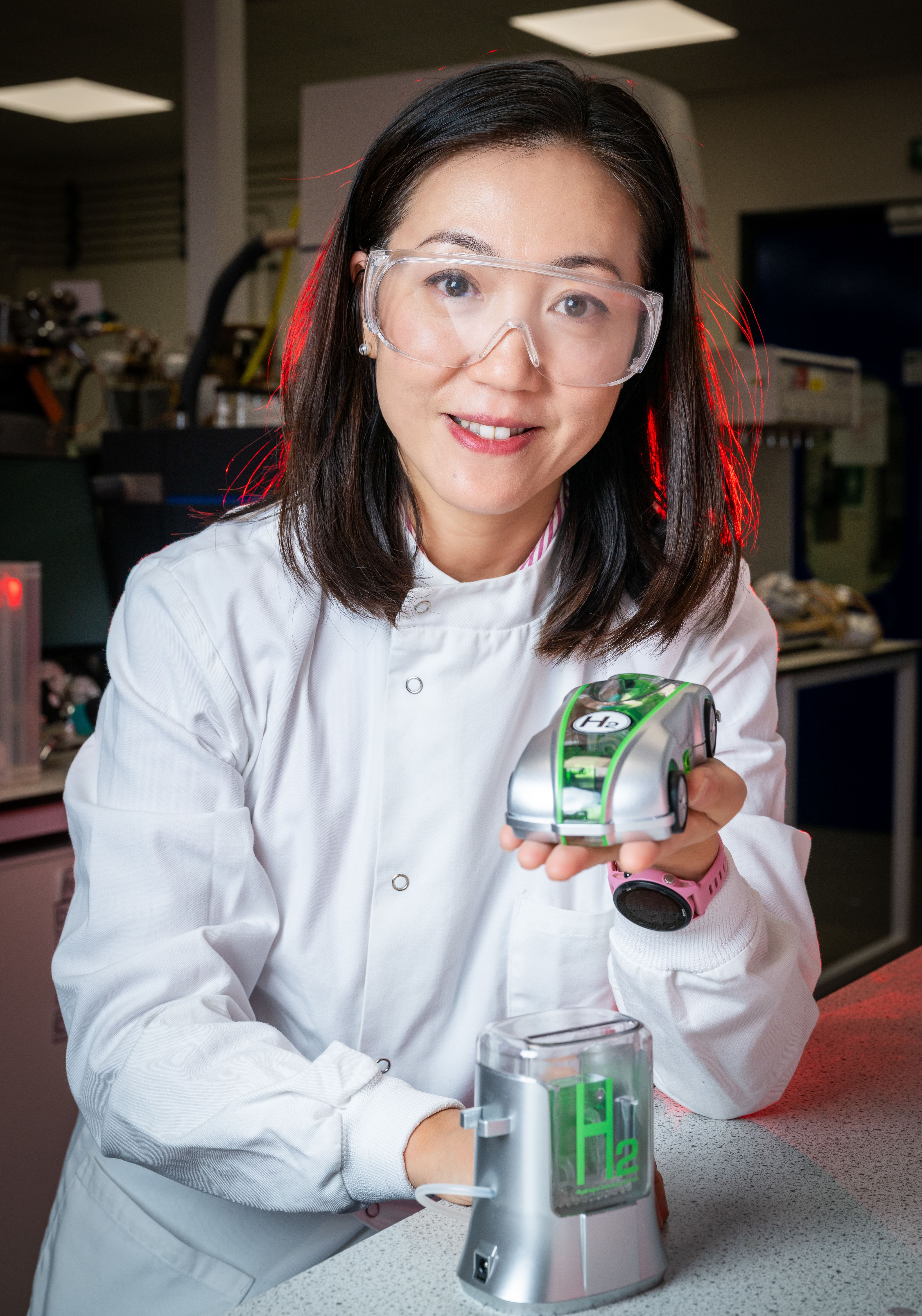
Professor Mi Tian
Professor Mi Tian
Professor Mi Tian is Professor of Sustainable Hydrogen Energy at the University of Bath whose research focuses on solid-state hydrogen storage within the UK-HyRES programme. She was named one of the Top 50 Women in Engineering and is an EPSRC Women in Engineering Ambassador.
“Through UK-HyRES, we’re translating breakthroughs in materials and engineering into deployable hydrogen solutions. Building on our solid-state research, my team has developed a near-room-temperature hydrogen storage system designed for on-board integration.
It offers safer, more efficient, and practical storage, overcoming the limitations of high-pressure and cryogenic approaches. Coupled with UK-HyRES’s national network and industry partnerships, this brings the UK closer to a viable, scalable clean-energy carrier.”
IAAPS: Advancing hydrogen-fuelled propulsion systems for automotive, aerospace, and marine sectors
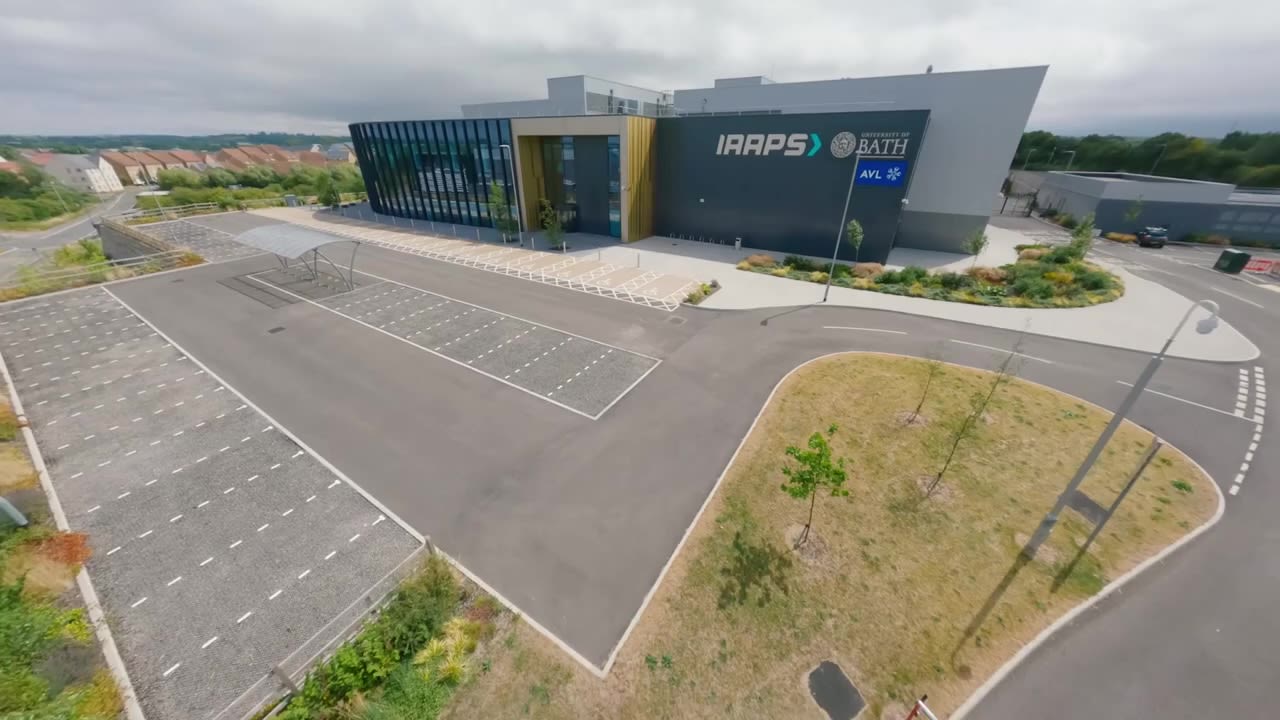

IAAPS, a commercial subsidiary of the University of Bath, is a leader in propulsion research and innovation, and is home to the South West’s first green hydrogen production plant. The multimillion-pound facility is an important national resource for the development of hydrogen-fuelled propulsion systems.
The fully operational green (H2) manufacturing facility produces hydrogen through electrolysis, using electricity generated from an array of solar panels on the building’s roof to break water into hydrogen and oxygen. This allows engineers at the centre to safely test new hydrogen technologies which, once fully matured and commercialised, have the potential to replace conventional fossil-fuel based propulsion systems. This constitutes a significant step-change in the industry’s move to Net Zero for automotive, aerospace, marine and other hard-to-electrify sectors.

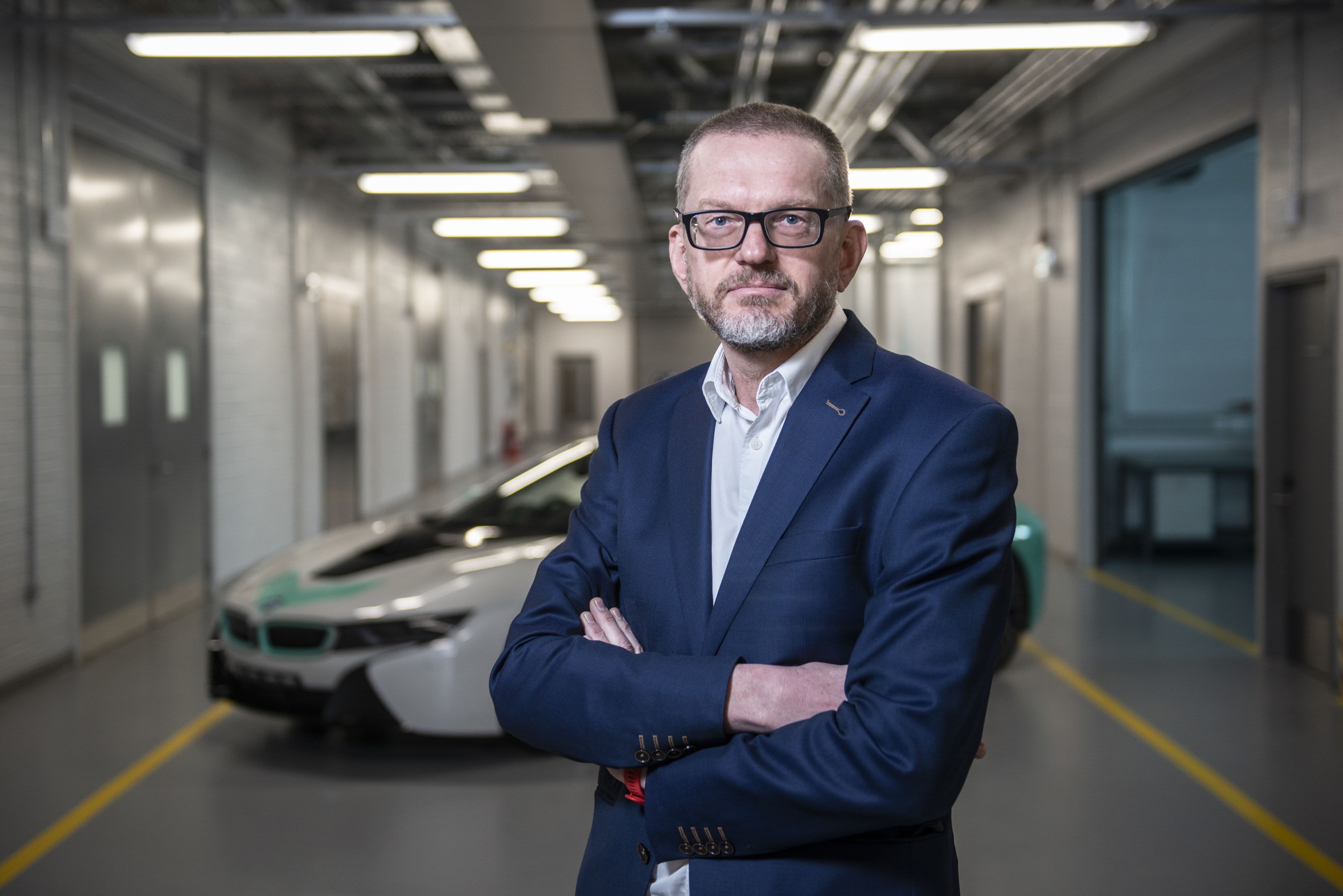
Professor Chris Brace
Professor Chris Brace
Professor Chris Brace, Executive Director of IAAPS and Professor of Automotive Propulsion at the University of Bath, said:
“At IAAPS, we recognise the transformative power of H2 technologies, in particular for the hard to electrify sectors of the mobility industry. Our new hydrogen production plant, in tandem with our cutting edge H2 research facilities, provides us and our partners with the tools that we need to accelerate this transition. It's not only a regional beacon, but also a national asset, crucial in driving forward sustainable R&I and actively addressing the challenges of climate change.”
GKN Aerospace – one of the world’s leading suppliers of aircraft structures, engines and components – and IAAPS are working on a strategic partnership to develop new hydrogen technology solutions, helping reduce the global reliance on carbon for the aviation industry.
The ground-breaking H2GEAR programme aims to develop a liquid hydrogen propulsion system for ‘sub-regional’ aeroplanes that could be scaled up to larger aircraft. The project is investigating the potential of converting liquid hydrogen to electricity within a fuel cell system, to efficiently power the aircraft. This could create a new generation of clean, carbon-free air travel.

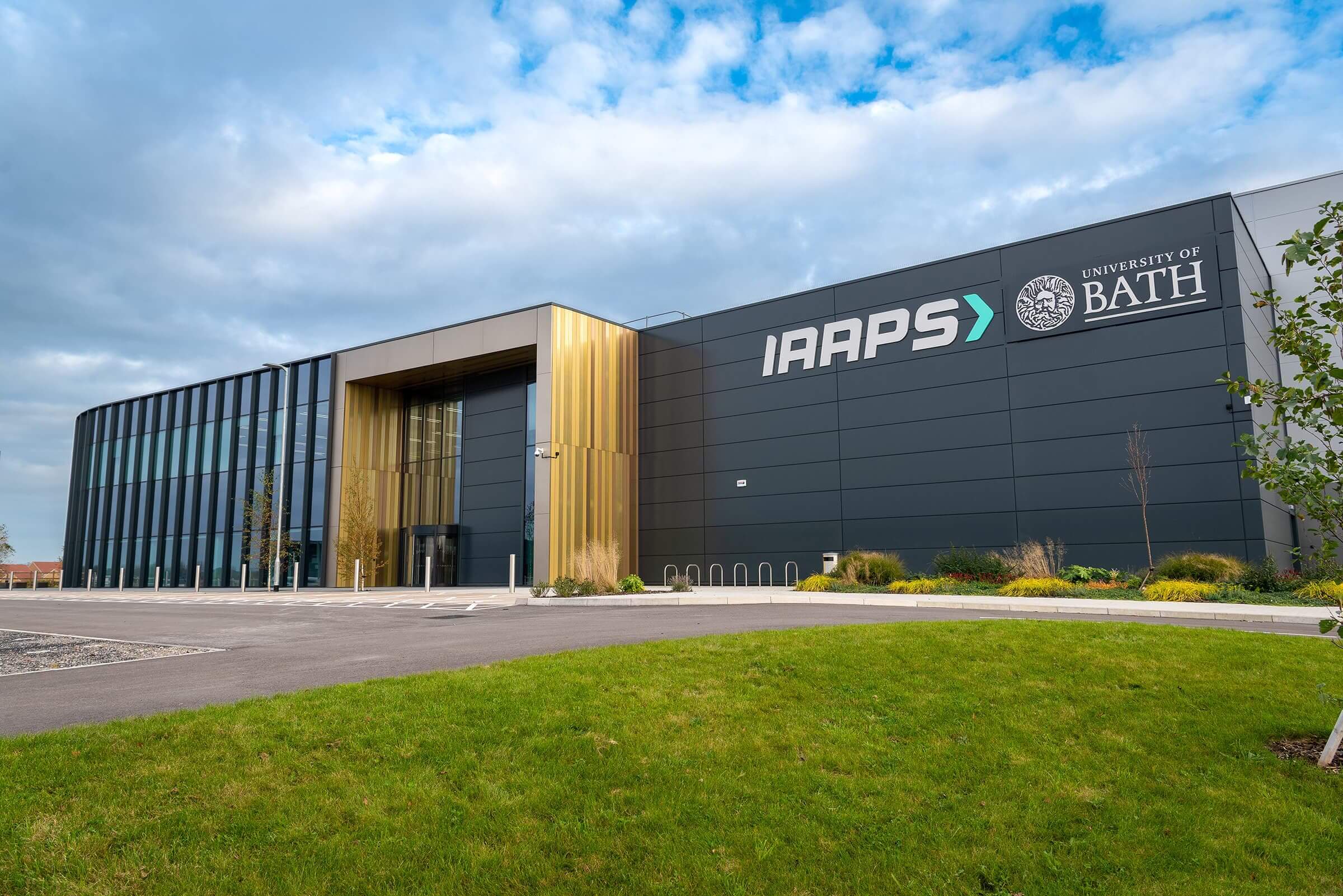
IAAPS
IAAPS
Professor Brace said: “We are thrilled to support GKN Aerospace’s first hydrogen propulsion system. These technologies will have far reaching impact in achieving Net Zero targets and reducing the global reliance on carbon, not just in aviation, but also across the wider transport industry.”
“The collaboration will allow GKN to further develop our expertise in zero carbon propulsion technologies, using IAAPS’ state-of-the-art hydrogen and propulsion research capabilities, fast-tracking the validation and delivery of clean, hydrogen-powered aircraft.”
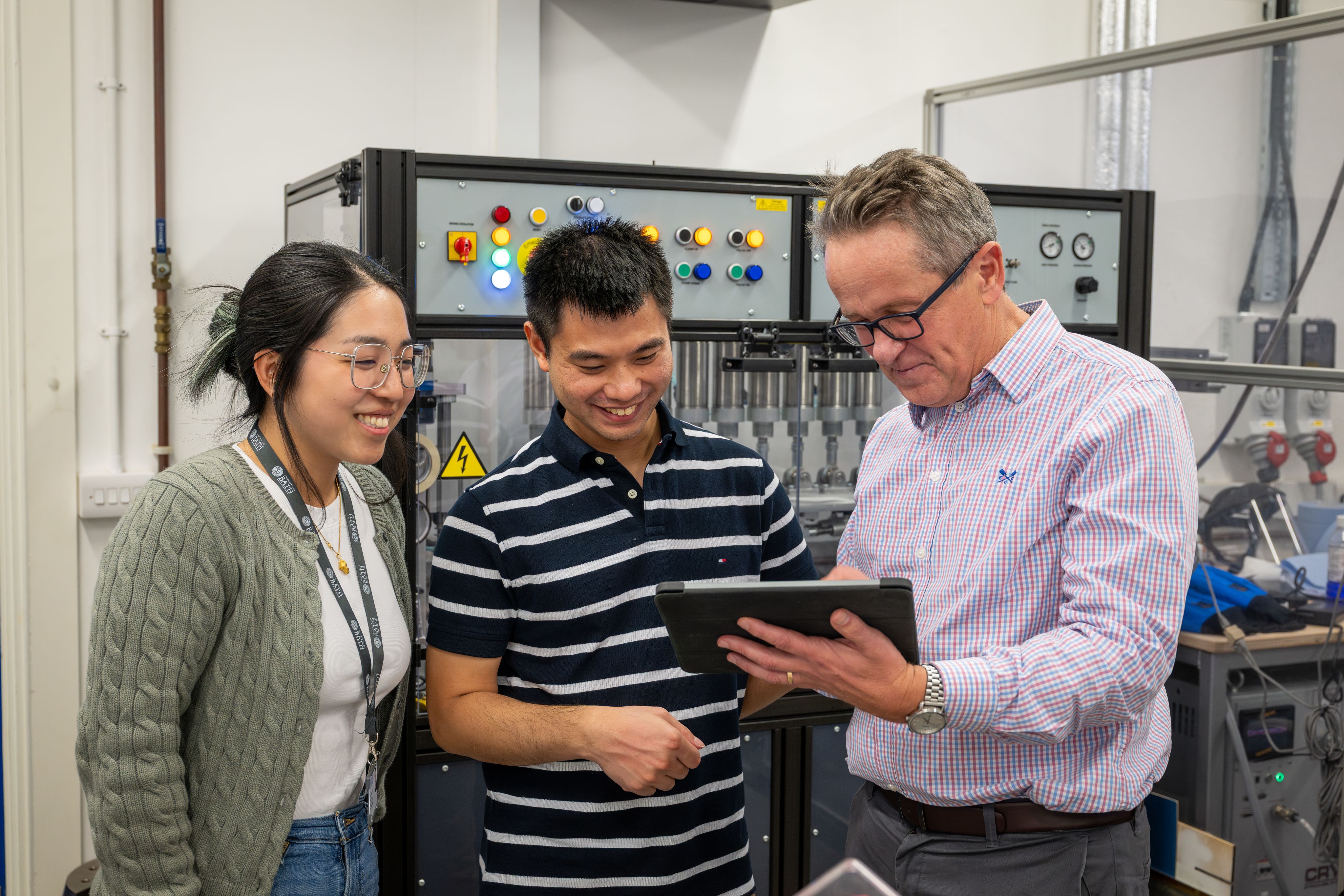
In addition to H2GEAR, the University of Bath is working on an EPSRC Prosperity Partnership called ZENITH with GKN Aerospace. ZENITH (Zero Emission: The Next Generation of Integrated Technologies for Hydrogen) will help further position the UK as a leader in the field in emerging zero emission aircraft and the partnership is leading to new fundamental knowledge and developing solutions in hydrogen energy storage and structures technologies. This is with the aim of making impact in the UK’s aerospace industries and contributing to the UK’s 2050 Net Zero target.
Richard Butler, Professor of Aerospace Composites from Bath’s Department of Mechanical Engineering, who works closely with IAAPS and held a Royal Academy of Engineering and GKN Aerospace Chair in Composites Analysis (2013-2023), is leading the partnership.

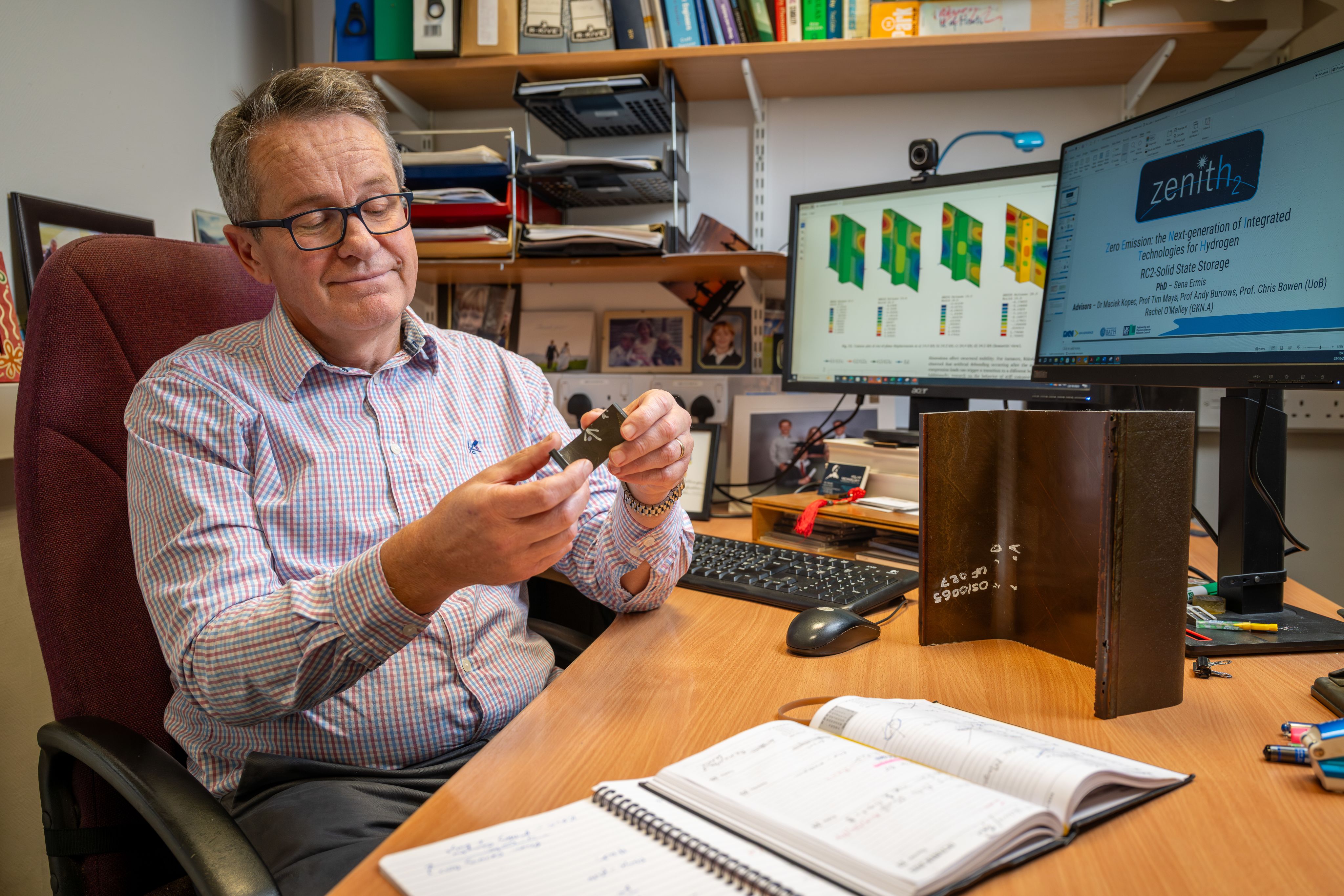
Professor Richard Butler
Professor Richard Butler
“ZENITH will tackle fundamental challenges associated with the material science and structural integrity of hydrogen-fuelled aircraft and broaden our strategic relationship with GKN by engaging in cutting-edge research across the University.”
Russ Dunn, Chief Technology Officer at GKN Aerospace, said: “GKN Aerospace aims to continually innovate to accelerate our industry’s transition to Net Zero. Our ability to innovate and adapt relies upon fundamental breakthroughs in materials science, engineering and manufacturing. ZENITH will help us make some of these breakthroughs, to create sustainable prosperity in aerospace.”


New partnership with Druck set for major breakthrough in developing hydrogen-powered aircraft
Hydrogen is one of the most promising solutions to decarbonising air travel, with aviation currently accounting for over 8% of the UK’s greenhouse gas emissions.
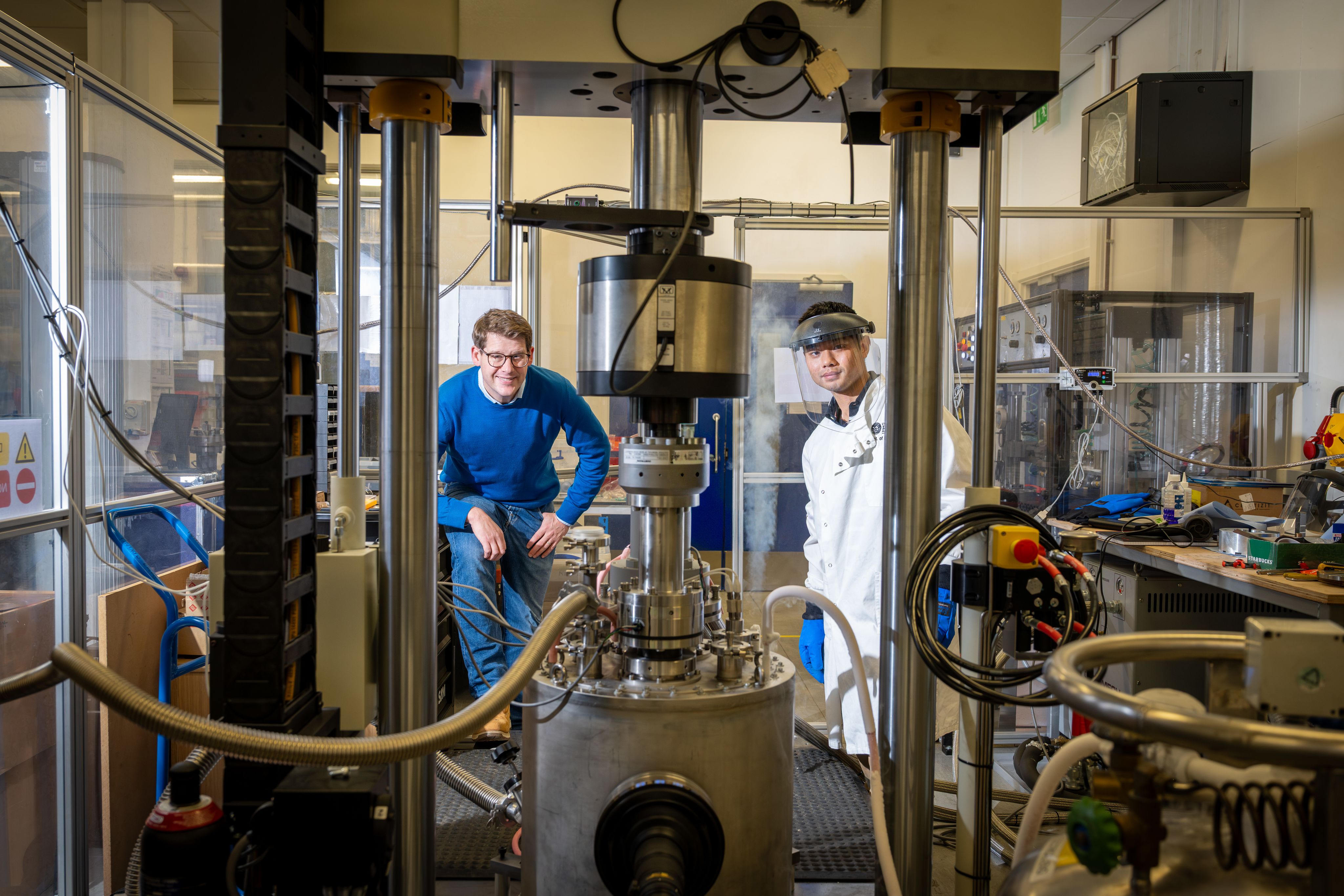
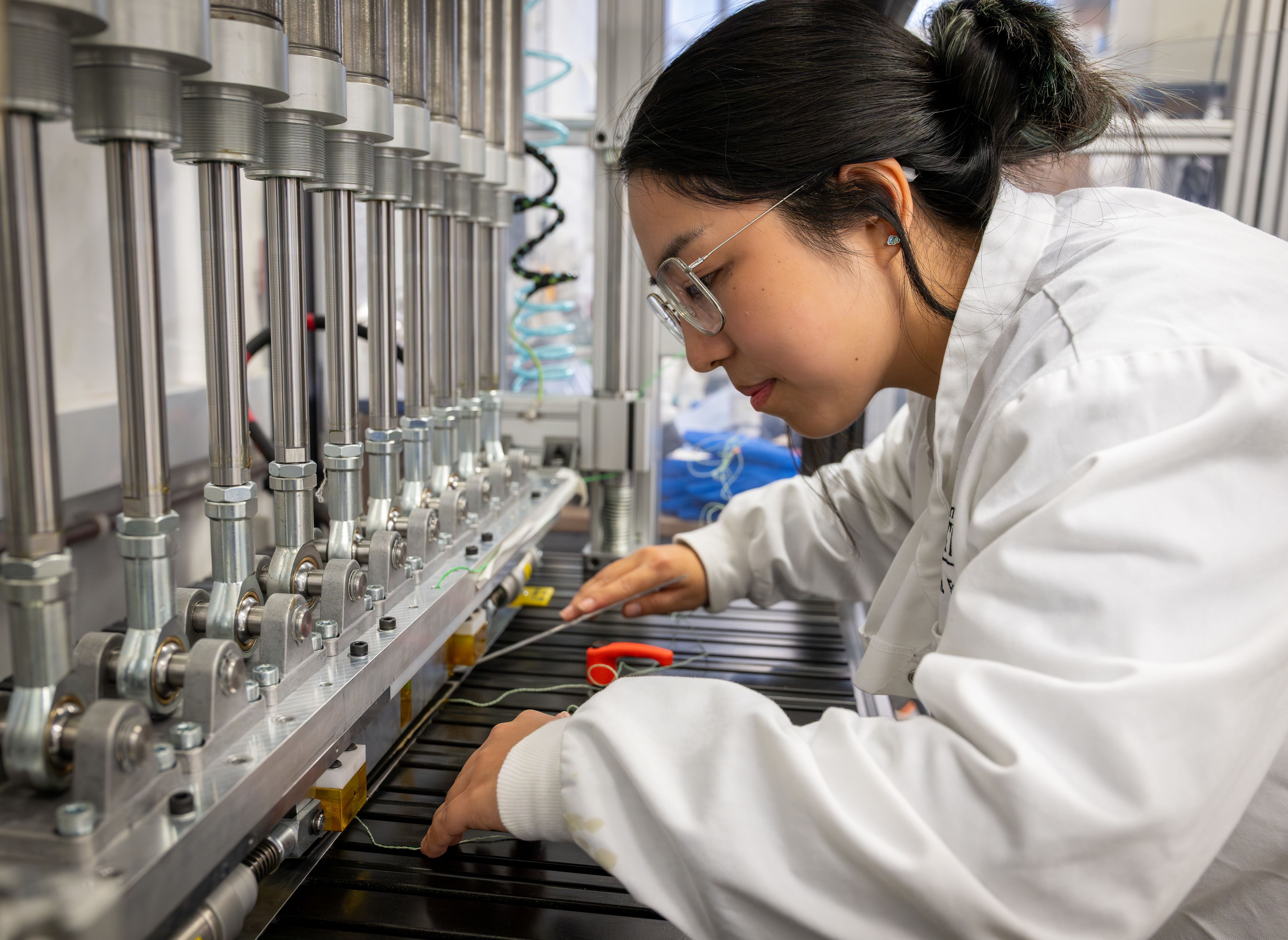
Last year, the University of Bath entered a Knowledge Transfer Partnership (KTP) with Druck, a Crane Company business, to explore this potential and develop the world’s first flight-certified cryogenic hydrogen pressure sensor, which might pave the way for Net Zero aviation.
The flight-certified sensors will be designed to accurately measure pressures in liquid hydrogen (LH₂) storage and conveyance systems for hydrogen-powered aircraft at extreme cryogenic temperatures, far beyond current aerospace sensor limits. These measurements will be crucial for detecting leaks, ensuring safe operation, and enhancing system efficiency.
Existing cryogenic hydrogen sensors are designed for industrial markets but lack flight certification. This KTP will give Druck, global leaders in the development of high accuracy, high quality pressure measurement technology for harsh environments, access to the University of Bath’s IAAPS institute - a unique facility equipped with propulsion, Net Zero, and cryogenic infrastructure. This will enable advanced materials testing, prototype development, and full compliance with aerospace certification standards.
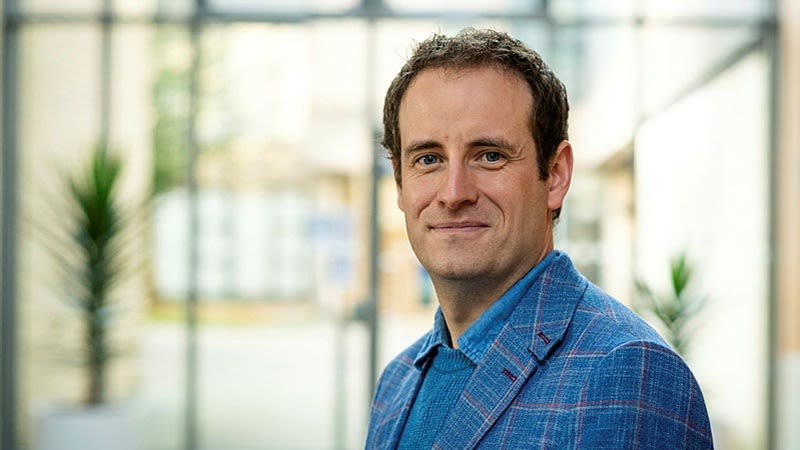
Professor Carl Sangan
Professor Carl Sangan
Inside the IAAPS facility
Carl Sangan is Professor of Sustainable Propulsion and Power in the Department of Mechanical Engineering at the University of Bath. He said:
This is an extremely exciting KTP, giving us the opportunity to support the aerospace industry in delivering Net Zero travel. We look forward to collaborating with Druck to develop flight-qualified cryogenic hydrogen pressure sensors.
With some 500,000 sensors already in operation across the aerospace sector, Druck has a track record helping control aircraft flight direction, fuel systems, hydraulics, cabin air pressure, engine oiling systems, and many other applications. The company is also participating in the FETCH collaboration to develop future aircraft hydrogen fuel control systems.
Druck’s President, Gordon Docherty, said:
If successful, this innovation will represent one of the most significant breakthroughs in harsh environment pressure measurement technology this century. We’re excited to work with the University of Bath and help make hydrogen-powered flight a reality.
KTPs are funded by Innovate UK and aim to help businesses improve their competitiveness and productivity through the better use of knowledge, technology and skills within the UK knowledge base.

Our research is helping to improve the world. Through collaborative partnerships we're creating a healthier, more sustainable, and connected future for all.



 Built with Shorthand